Literature Review & Gap Analysis
1. Standardizing the Foundation
The "N x M" integration problem has created a combinatorial explosion of development effort. MCP emerges as the definitive open standard to solve this, but empirical evidence suggests a critical gap: while the protocol is ready, agents are not yet adept at using it.
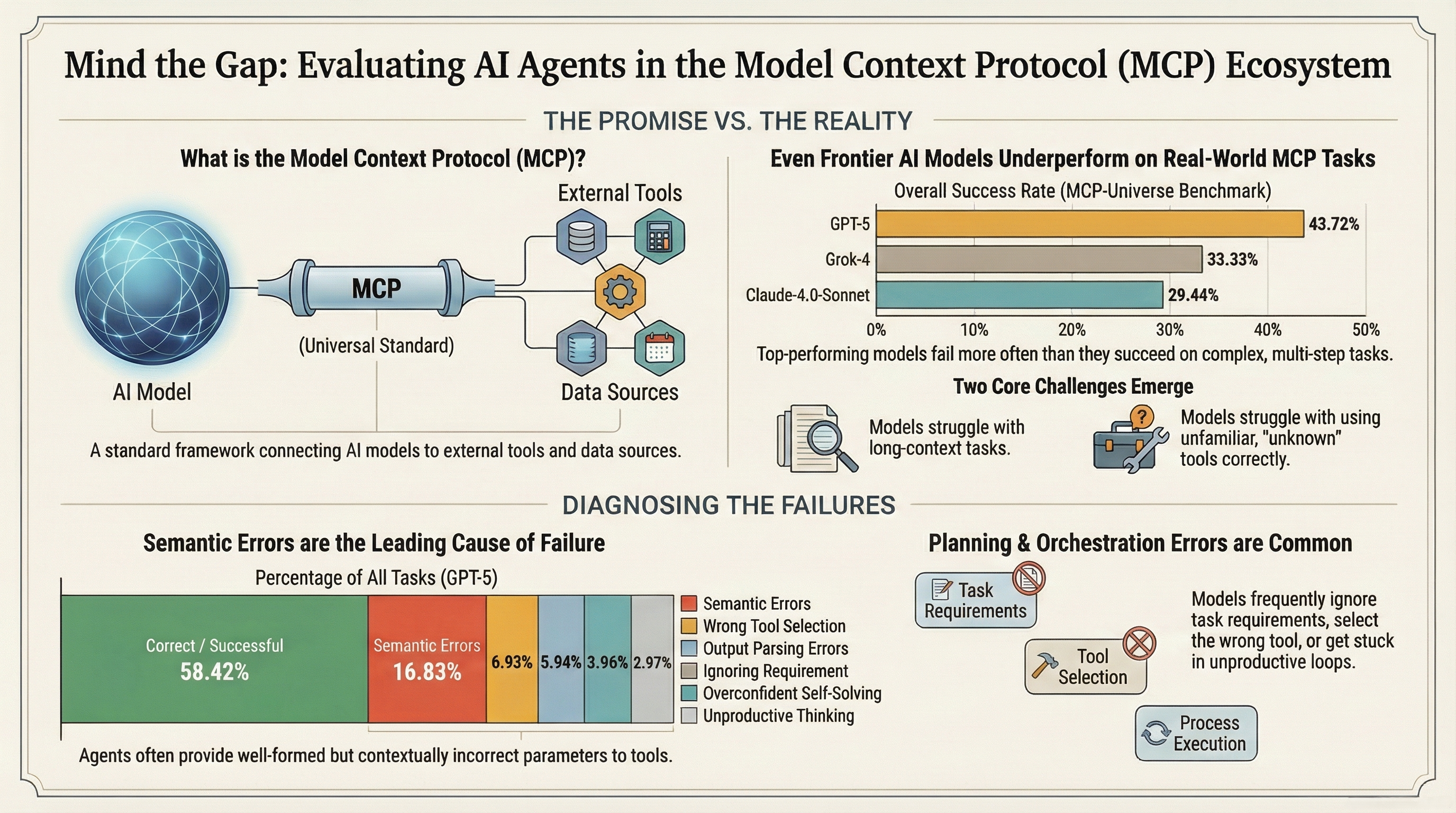
Figure 1: Comprehensive overview of recent MCP literature and research directions.
2. Architectural Foundations
MCP architecture relies on a clear Client-Host-Server separation and three core primitives: Tools, Resources, and Prompts. It uses JSON-RPC 2.0 over pluggable transports (stdio for local, HTTP SSE for remote).
3. Performance: A Contested Frontier
The solution is the Code Execution Paradigm: Shifting from direct tool calling to agents writing sandboxed code. This offers progressive disclosure and state persistence but introduces security trade-offs.
4. Security Posture
Primary threats include Tool Poisoning, Indirect Prompt Injection, and Supply Chain Attacks. Defense requires Sandboxing, HITL gates, and strict token scoping.
5. Empirical Evaluation (MCPGAUGE)
The MCPGAUGE framework evaluated ~20,000 LLM API calls, revealing:
- Degraded Performance: More tools often reduced accuracy.
- Poor Compliance: Models often ignored tool-use directives.
- Lack of Proactivity: Agents rarely used tools on the first turn without prompting.
6. Critical Research Gaps
Gap 1: Protocol-Behavior Mismatch ⚠️
The primary gap is the inability of current LLMs to reason about the protocol effectively. We need research into fine-tuning strategies for "meta-reasoning" about tools.
Gap 2: Scalability-Security Trade-Off
How do we secure the "Code Execution Paradigm"? We need standards for standardized sandboxing.
Gap 3: Governance Chasm
Need frameworks for "MCP Registries" with trust scoring and technical implementation of ISO 42001 standards.
7. Insights & Future Outlook
Research and early adoption have revealed counter-intuitive lessons:
-
1. More Tools ≠ Smarter Agents
Adding too many tools confuses models. Curation is better than quantity.
-
2. Don't Call, Code
Writing code to use tools is 98% more efficient than direct calls.
-
3. The "Social Contract"
MCP is fundamentally a protocol for multi-agent coordination.
Future Trajectory
Hybrid Architectures
REST/gRPC for backend rigid pipes. MCP for flexible Agent-to-System interactions.
"Code Agent" Evolution
Agents acting like developers: using standard CLI tools (grep, curl, git) in sandboxes, with MCP as libraries.
Conclusion
MCP is an eloquent protocol facing a crisis of agent capability. Success depends on closing the gap between the protocol's potential and LLM performance through targeted research in reasoning and security.